How to Start a Tool Rental Business
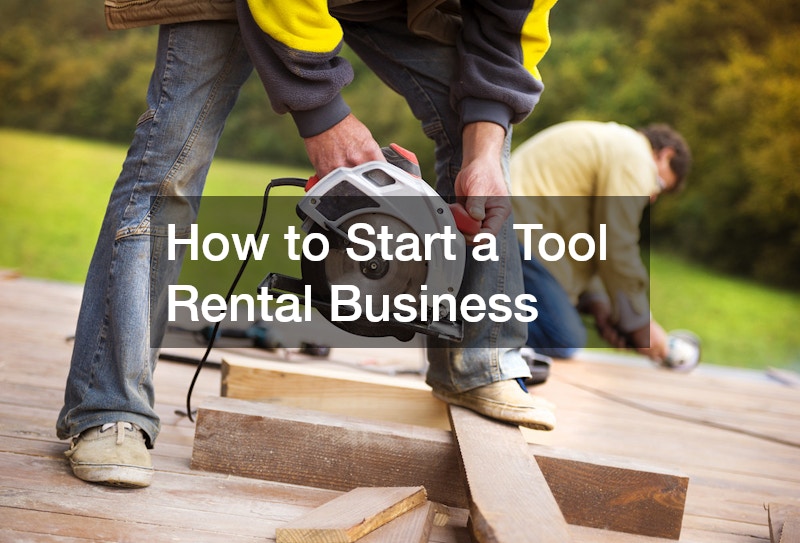
As modern economies continue to grow, the demand for construction and home improvement activities increases. Many individuals and companies require specialized tools for short-term projects, making renting a more practical and cost-effective option compared to purchasing. Additionally, the growing trend towards sustainability encourages businesses to adopt shared economy models, which a tool rental service aptly supports. Hence, understanding the intricacies of starting a tool rental business is crucial for aspiring entrepreneurs looking to thrive in this industry.
1. Why Start a Tool Rental Business?
Opening a tool rental business presents a unique opportunity to tap into the expanding construction and home improvement sectors. With the ever-increasing focus on do-it-yourself (DIY) projects, more homeowners prefer renting tools needed for short-term use rather than investing in expensive purchases.
This shift brings an increased demand for tool rental services. Additionally, small and medium-sized construction firms often opt for renting specialized equipment to manage their budgets effectively. As such, a tool rental business not only caters to diverse customer bases but also benefits from recurring revenue streams without the upfront costs of tool ownership for the customers.
In the landscape of the shared economy, renting has become a preferred option for those looking to conserve resources and minimize environmental impact. By offering a diverse range of tools, a rental business can capture a wide market, from individual DIY enthusiasts to contractors managing large-scale projects. This offers substantial potential for profitability, given the cost-effective nature and flexibility associated with tool rentals. Additionally, starting a tool rental business aligns with eco-friendly business practices by promoting the reuse of tools, which reduces the need for raw materials and energy expenditure on production. The convergence of economic and environmental benefits makes this venture particularly appealing.
Moreover, advancements in technology enhance the efficiency of managing rental operations, from inventory control to customer service. The use of integrated software solutions allows businesses to streamline operations, track tool availability, and manage bookings effortlessly. This operational efficiency leads to increased customer satisfaction, fostering loyalty and attracting repeat business. A tool rental enterprise embodies a scalable business model, where incremental investments in additional equipment can expand service offerings and geographic reach. These attributes ensure a promising future for those venturing into the tool rental market, provided they navigate the challenges with strategic foresight and innovation.
2. What Type of Tools Should You Offer?
Selecting the right assortment of tools to offer is crucial to the success of a tool rental business. The range should include commonly used tools for home improvement, gardening, construction, and specialized projects. Essential tools such as drills, saws, ladders, and power washers are in constant demand among consumers and businesses alike. It’s important to research local market trends and understand the specific needs of your target customers to stock the right variety of tools. Establishing a diverse inventory not only maximizes rental opportunities but also positions your business as a comprehensive solution provider in the sector.
Furthermore, consider offering advanced equipment like laser levels, demolition hammers, and tile cutters for professional use. These tools cater to contractors who require precise and high-performance equipment for their operations. While regularly updating and maintaining the inventory may require an initial investment, it ensures the reliability of your tools and enhances customer trust. Additionally, diversifying your offered tools to include both manual and power tools can cater to a broader audience, from DIY enthusiasts to professional tradespeople. Tailoring your inventory to meet diverse needs is a strategic way to gain a competitive edge.
Incorporating seasonal tools into your inventory, such as snow blowers or leaf vacuums, can increase rentals throughout the year. Offering package deals or discounts on bundled tool rentals can drive higher transaction values and incentivize customers to take on more ambitious projects. Building partnerships with tool manufacturers for regular updates and maintenance can also prove beneficial, securing favorable terms and ensuring access to the latest innovations in tool technology. By adapting your inventory offerings to meet emerging trends and customer needs, you can establish your rental business as a leader in the industry.
3. How to Finance Your Tool Rental Business?
Financing a tool rental business requires careful planning and understanding of various funding options available. Start by assessing the total capital needed, which includes purchasing tools, setting up a rental facility, and implementing management systems. Personal savings, bank loans, and small business grants are common sources of funding. Additionally, consider venture capital and investor partnerships for larger financial backing. Creating a detailed business plan showcasing the growth potential and expected returns can be instrumental in convincing potential investors and lenders to support your venture.
Leasing tools instead of outright buying can be a viable financing strategy, allowing flexibility and reducing the upfront cost burden. Evaluate the terms and benefits offered by leasing companies, including maintenance services and tool upgrades. Another financing option is equipment financing, which secures loans specifically for purchasing business assets, thereby preserving working capital. Crowdfunding through platforms like Kickstarter or GoFundMe can also help raise funds, with the added benefit of establishing a customer base and gaining market insight. Each financing method has its advantages, so assess them based on your long-term business goals.
Alongside traditional financing options, explore government-backed incentives and tax relief programs designed to support small businesses. These programs can significantly ease the initial financial strain and cover various aspects such as infrastructure and employee training. Financial advisors can provide expert guidance on optimizing funding strategies, managing cash flow, and ensuring financial stability. Proper budgeting and financial planning can also enable sustainable growth, allowing the business to gradually expand its tool inventory and service offerings. By leveraging various financial resources and maintaining diligent financial management, you will establish a solid foundation for your tool rental enterprise.
4. What Are Effective Marketing Strategies?
Implementing effective marketing strategies is essential to drive awareness and attract customers to your tool rental business. Start by building an appealing and user-friendly website showcasing your inventory, rental policies, and special offers. Utilize search engine optimization (SEO) techniques to improve visibility and rank higher in search engine results, making it easier for potential customers to find your business online. Engaging content marketing, such as blog posts and video tutorials, can also highlight the practical applications of your tools, educating customers and driving website traffic. Online presence is key to reaching broader audiences.
Social media platforms can serve as powerful marketing channels, allowing you to connect with potential customers and promote your services. Regularly update your social media profiles with engaging posts and promotions to increase brand visibility and customer interaction. Encourage satisfied customers to share reviews and experiences on platforms like Google My Business, Yelp, and social media, boosting your credibility and attracting new patrons. Implementing referral programs can further incentivize existing customers to bring in new clients, expanding your customer base through word-of-mouth marketing. A strong online and social media presence is instrumental in modern marketing.
Traditional marketing methods, such as flyers, posters, and local advertisements, can complement digital strategies by targeting local audiences effectively. Partnering with hardware stores, construction firms, and community organizations can extend your reach and establish mutual promotional agreements. Organize workshops or demonstrations to showcase tool usage and benefits, engaging the community and fostering customer trust. Sponsorship of local events or supporting community projects can enhance your business image and create positive associations. Combining both digital and traditional marketing approaches ensures a holistic approach to attracting and retaining customers.
5. How to Manage Operations Successfully?
Efficiently managing operations is integral to the sustainability and success of a tool rental business. Utilizing rental management software can streamline processes such as reservations, payments, inventory tracking, and customer communications. This digital approach ensures accuracy and saves time, allowing you to focus on providing excellent customer service. Regular maintenance and inspection of tools are crucial to ensure safety and reliability, reducing the risk of equipment failure and fostering trust among customers. Keeping accurate records of tool conditions and implementing a systematic maintenance schedule can optimize tool lifespan and performance.
Employee training is essential to equip staff with the necessary knowledge and skills to operate rental software, manage tool checkout and returns, and assist customers proficiently. A well-trained team enhances operational efficiency and improves the customer experience, laying the foundation for repeat business and referrals. Establish clear rental policies regarding pricing, late returns, and damages, and ensure transparency with customers to avoid misunderstandings. Implementing customer feedback systems can provide invaluable insights into areas needing improvement and inspire strategies for service enhancement, cementing customer satisfaction.
Consistent financial management, including budgeting, expense monitoring, and revenue analysis, is essential for sustaining and growing the business. Collaborating with accountants or financial consultants ensures compliance with tax regulations and financial best practices. Consider expanding your service area by opening additional locations or offering delivery services to reach more customers. Regularly assess market trends and adapt your business model to seize new opportunities and mitigate risks. By maintaining a commitment to operational excellence, the business can adapt to industry developments and capitalize on growth opportunities, securing long-term success.
A tool rental business offers significant advantages, including tapping into diverse markets, reducing resource consumption, and aligning with sustainable business practices. By carefully selecting inventory, securing appropriate financing, and implementing effective marketing and operational strategies, aspiring entrepreneurs can build a thriving enterprise. The scalability and resilience of this business model offer promising growth opportunities in an ever-evolving market landscape. For those committed to innovation and customer satisfaction, a tool rental business represents a rewarding venture with substantial long-term potential.