How to Plan Business Expansion With Smart Infrastructure Decisions

Introduction
Business growth is often seen as a positive milestone, but expansion can quickly become complicated without the right infrastructure in place. Companies that grow too quickly without planning their operational foundation often face inefficiencies, rising costs, and workflow disruptions. Smart infrastructure planning helps organizations scale sustainably while maintaining productivity, employee satisfaction, and customer trust.
According to the U.S. Small Business Administration (SBA), nearly 50% of small businesses expand within their first five years, but many struggle with operational adjustments during the process. A report from CBRE found that more than 60% of businesses modify or relocate their workspace as they grow, while operational research from Gartner suggests that poor infrastructure planning can increase operational costs by up to 30% during expansion periods. These numbers highlight an important reality: growth is not only about revenue or market reach—it also requires strategic infrastructure decisions.
When organizations prepare for expansion, they must carefully evaluate several factors such as facility capacity, logistics systems, workplace design, operational services, and security measures. Decisions related to storage systems, workspace environment, transportation logistics, cleaning operations, and real estate investments can significantly affect long-term scalability.
Smart infrastructure planning ensures that a business can grow without sacrificing efficiency. It allows leaders to anticipate operational needs, avoid costly adjustments, and maintain smooth workflows even as teams and customer demands increase. Instead of reacting to growth challenges, businesses that plan strategically create environments that support productivity, collaboration, and customer satisfaction.
This guide explores key infrastructure considerations that organizations should evaluate when expanding operations. From optimizing inventory management to selecting new commercial properties, each decision plays a critical role in ensuring sustainable and successful business growth.
Assess Storage and Inventory Capacity Before Scaling Operations
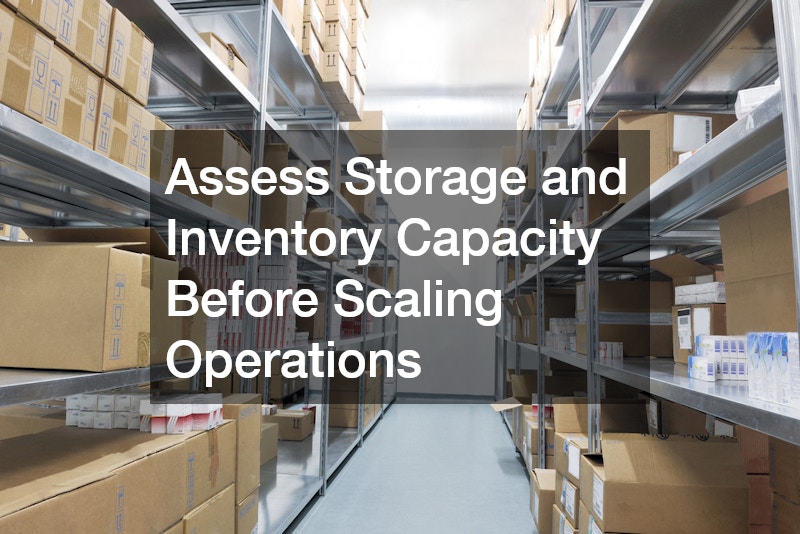
One of the first operational challenges businesses face during expansion is managing increased inventory and materials. As companies grow, product demand rises, supply chains become more complex, and inventory volumes increase. Without proper planning, storage limitations can quickly lead to bottlenecks, delays, and inefficient workflows.
Many growing companies discover that their existing facilities cannot accommodate higher inventory levels. This often results in overcrowded spaces, disorganized storage systems, and slower fulfillment processes. Businesses involved in retail, manufacturing, or e-commerce must pay particular attention to efficient warehouse storage, as it directly affects order accuracy and delivery speed.
Optimizing storage capacity requires more than simply adding shelves or expanding floor space. Businesses must analyze how inventory moves through their facilities and design systems that support efficient handling, sorting, and retrieval. Vertical storage solutions, automated systems, and organized product categorization can significantly improve warehouse storage efficiency and overall operational performance.
Proper storage planning also helps businesses reduce costs. When inventory is stored strategically within a well-organized warehouse storage system, employees spend less time searching for products, which improves productivity and minimizes errors. In addition, optimized storage space in warehouses allows companies to use available space more effectively, preventing the need for costly facility upgrades.
Another important factor is scalability. Businesses should design storage systems that can grow alongside operations. Instead of creating temporary solutions, organizations benefit from implementing structured warehouse inventory storage processes that accommodate future demand increases.
Technology also plays a critical role in modern storage management. Inventory management software, barcode scanning systems, and automated tracking tools help businesses monitor stock levels in real time. These technologies reduce human error and improve overall operational visibility within modern warehouse management and storage systems.
Ultimately, businesses that invest in efficient warehouse storage solutions can manage growth more effectively. Organized facilities support faster order processing, improved employee productivity, and better customer service. By addressing storage capacity early in the expansion process, companies can avoid operational disruptions and maintain smooth supply chain operations.
Tips to Improve Inventory and Storage Efficiency
-
Conduct a complete inventory capacity analysis before expansion
-
Implement vertical racking systems to maximize available space
-
Use inventory management software to track stock levels
-
Create clear labeling and categorization systems
-
Design efficient loading and unloading zones
Strengthen Brand Visibility Across Physical Business Locations
As companies expand into new locations or upgrade existing facilities, maintaining strong brand visibility becomes increasingly important. Physical branding plays a crucial role in helping customers recognize and trust a business, especially in competitive markets where multiple companies offer similar services.
One of the most effective ways to reinforce brand identity in physical spaces is through consistent visual communication. Businesses often rely on Custom Business Signs to create a recognizable presence in storefronts, office buildings, and commercial facilities. These signs help customers easily locate a business while reinforcing brand credibility.
When organizations expand, maintaining consistency across all locations becomes essential. Customers should be able to recognize a business immediately, whether they visit a headquarters office, a branch location, or a retail outlet. Consistent signage ensures that branding remains uniform across different environments.
Beyond visibility, signage also serves a functional purpose. Clear directional signs guide visitors within office buildings, helping them navigate reception areas, meeting rooms, and service departments. This improves the overall customer experience and reduces confusion for first-time visitors.
Lighting, placement, and material quality also influence how effective signage is. Poorly positioned signs or outdated designs can weaken a company’s professional image. On the other hand, well-designed signs enhance brand perception and create a welcoming environment for clients.
Expanding businesses should also consider how signage aligns with their broader marketing strategy. Physical branding should complement digital branding efforts such as websites, social media platforms, and online advertisements. When customers see consistent visuals across different channels, brand recognition becomes stronger.
Investing in high-quality signage during expansion can also contribute to long-term marketing benefits. Well-designed visual branding continues to promote the business every day without ongoing advertising costs.
In growing markets, strong brand visibility helps businesses stand out from competitors. By incorporating clear and consistent signage into expansion plans, organizations can strengthen their identity while improving customer accessibility.
Actionable Branding Improvements for New Business Locations
-
Maintain consistent brand colors and typography across locations
-
Ensure signage is visible from main roads and building entrances
-
Use lighting to improve visibility during evening hours
-
Replace outdated signage during facility upgrades
-
Align physical signage with digital brand identity
Seek Expert Guidance When Entering New Markets

Business expansion often involves entering unfamiliar markets, adapting to new customer demands, and navigating regulatory requirements. These challenges can be difficult to manage without specialized expertise. Many organizations therefore seek support from professionals who specialize in growth planning and operational strategy.
Working with a business expansion consultancy can provide valuable insights during this phase. Consultants analyze market conditions, evaluate risks, and help companies develop structured expansion plans that reduce uncertainty.
One of the primary benefits of consulting support is objective analysis. Internal teams may focus heavily on existing operations, making it difficult to identify potential weaknesses or overlooked opportunities. External consultants bring a fresh perspective and industry knowledge that can help businesses make more informed decisions.
Consultants often conduct market research to determine whether expansion opportunities are viable. This includes analyzing customer demographics, competitor activity, pricing strategies, and regional economic trends. These insights help businesses choose locations or markets that offer strong growth potential.
Financial planning is another critical area where consultants provide assistance. Expansion typically requires investments in infrastructure, staffing, marketing, and operational systems. Strategic financial planning ensures that businesses allocate resources effectively and avoid overextending their budgets.
Regulatory compliance can also become complex when entering new regions. Different jurisdictions may have varying licensing requirements, safety standards, or employment regulations. Consultants help businesses understand these requirements and ensure compliance.
Beyond planning, consultants may also support implementation. They assist with setting milestones, monitoring performance metrics, and adjusting strategies as necessary. This structured approach allows businesses to track progress and respond to challenges more effectively.
While not every company requires external advisors, organizations entering competitive or unfamiliar markets often benefit from expert guidance. By leveraging specialized knowledge, businesses can minimize risks and accelerate their growth trajectory.
Ways Consultants Help Businesses Expand Successfully
-
Conduct market feasibility studies
-
Analyze competitive landscapes
-
Develop structured expansion roadmaps
-
Identify financial risks and opportunities
-
Provide regulatory and compliance guidance
Create a Welcoming First Impression for Visitors and Clients
The reception area is often the first point of interaction between a business and its visitors. Whether welcoming clients, partners, or job candidates, this space shapes the initial perception people form about an organization. A well-designed reception area communicates professionalism, reliability, and attention to detail.
Clear visual communication is a key component of an effective entrance space. Many businesses incorporate reception signs to display company branding and guide visitors toward the appropriate departments or meeting areas. These signs not only enhance aesthetics but also improve navigation within the office.
A thoughtfully designed reception area can influence how visitors perceive the company’s culture and professionalism. Clean layouts, modern design elements, and well-organized spaces help create a comfortable environment for guests.
Lighting also plays a significant role in shaping the atmosphere. Bright, welcoming lighting improves visibility and contributes to a more inviting environment. When combined with clear signage, visitors can quickly understand where they need to go without requiring assistance.
Reception areas should also reflect the company’s brand identity. Incorporating brand colors, logos, and design elements reinforces recognition and consistency. This is especially important for companies that host clients frequently or operate in service-oriented industries.
Comfort is another important consideration. Providing seating areas, informative displays, and clear directions helps visitors feel welcomed and informed while waiting. These small details contribute to a positive overall experience.
In addition to aesthetics, functionality must remain a priority. Reception desks should be positioned to allow staff members to greet visitors easily and manage appointments efficiently. Clear signage can also help direct individuals to meeting rooms or other areas within the facility.
When businesses expand, investing in a professional reception environment helps reinforce credibility. It demonstrates that the organization values professionalism and customer experience.
Practical Ways to Improve Reception Area Experience
-
Maintain a clean and organized reception desk
-
Use consistent branding elements throughout the space
-
Provide comfortable seating for visitors
-
Ensure signage clearly directs guests to important areas
-
Improve lighting to enhance visibility
Improve Employee and Client Mobility During Business Growth
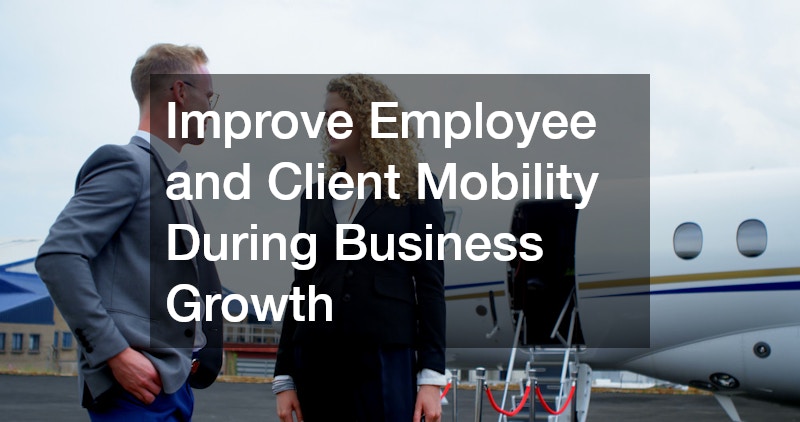
As organizations grow, transportation logistics often become more complex. Expanding teams may require reliable commuting options, while visiting clients and partners may need convenient travel arrangements. Without proper planning, transportation challenges can reduce efficiency and create unnecessary stress for employees.
Many growing organizations explore structured corporate transportation solutions to support both staff and visitors. These services can include scheduled employee shuttles, transportation for business meetings, and airport transfers for visiting clients or executives.
Reliable transportation systems help businesses maintain punctuality and professionalism. When employees arrive on time and clients experience smooth travel arrangements, meetings and operations run more efficiently. This consistency contributes to stronger business relationships and improved productivity.
Transportation planning also supports employee well-being. Long or unpredictable commutes can affect job satisfaction and overall morale. Providing organized transportation options demonstrates that a company values employee comfort and work-life balance.
Technology has made transportation coordination easier for businesses. Scheduling platforms, ride-sharing partnerships, and digital booking systems allow organizations to manage transportation needs more effectively.
For companies operating in large cities or multiple locations, transportation strategies can also reduce operational costs. Group transportation options may lower travel expenses while minimizing environmental impact.
Client transportation is another important consideration. Providing convenient travel arrangements for partners or customers visiting corporate offices enhances their overall experience and reinforces the company’s professionalism.
By incorporating transportation planning into expansion strategies, businesses can support smoother operations and create more efficient workflows.
Ways to Optimize Transportation for Expanding Businesses
-
Evaluate employee commuting patterns
-
Partner with reliable transportation providers
-
Implement scheduling tools for travel coordination
-
Offer transportation for important client visits
-
Monitor travel costs to maintain efficiency
Enhance Workplace Environment to Boost Productivity
As organizations expand, leaders often focus heavily on operational efficiency, staffing, and logistics. However, the physical work environment is equally important for sustaining productivity and employee satisfaction. A thoughtfully designed workspace can influence creativity, collaboration, and overall job performance.
Workplace design has evolved significantly over the past decade. Companies now recognize that office aesthetics affect how employees feel and perform during their workday. When businesses expand into larger offices or renovate existing spaces, they have an opportunity to create environments that support both focus and collaboration.
One design element that has gained popularity in modern offices is designer office wallpaper. Unlike plain painted walls, decorative wall treatments can transform office interiors by adding visual interest and reinforcing company identity. Carefully selected wall designs can also reflect brand values, industry expertise, or company culture.
Beyond aesthetics, workplace design influences employee engagement. Studies have shown that employees working in visually appealing environments often report higher job satisfaction and improved productivity. A well-designed office can also reduce stress levels and create a more positive workplace atmosphere.
Color psychology plays an important role in workspace design. Neutral colors and calming tones can promote focus and concentration, while brighter accents may stimulate creativity in collaborative spaces. Many organizations incorporate different design styles in various areas of the office depending on their function.
For example, quiet work zones may benefit from minimalist designs that minimize distractions. On the other hand, brainstorming rooms or collaborative spaces might include more dynamic visual elements that encourage creativity. Decorative wall elements can help define these zones while maintaining visual consistency throughout the office.
Another advantage of modern wall design solutions is flexibility. Businesses can update interior aesthetics without undergoing expensive renovations. This makes it easier for growing companies to refresh their workspace as their brand evolves.
Office design also influences how clients perceive a business. Visitors often interpret the workspace as a reflection of the company’s professionalism and attention to detail. A well-designed office interior can leave a lasting impression on partners, investors, and potential clients.
Ultimately, investing in workplace design during expansion helps businesses create environments that support employee productivity, enhance brand identity, and improve overall workplace satisfaction.
Workplace Design Improvements That Support Productivity
-
Use calming color schemes to promote focus and concentration
-
Incorporate visual elements that reflect company culture
-
Design separate spaces for collaboration and quiet work
-
Maintain consistent interior design across office areas
-
Update workspace aesthetics periodically to keep environments engaging
Maintain Clean and Healthy Workspaces During Expansion
When businesses expand, the number of employees, visitors, and operational activities increases significantly. As a result, maintaining a clean and healthy work environment becomes more important than ever. Clean facilities contribute not only to employee comfort but also to overall productivity and company reputation.
Workplace cleanliness directly affects employee well-being. Offices with poor hygiene standards may experience higher rates of illness, which can lead to absenteeism and reduced productivity. Maintaining consistent sanitation practices helps minimize health risks and supports a more comfortable work environment.
Many organizations rely on professional commercial cleaning services to manage these responsibilities efficiently. These services ensure that offices remain sanitary, organized, and presentable without requiring employees to handle cleaning tasks themselves.
Professional cleaning providers often follow structured cleaning protocols designed specifically for commercial environments. This includes regular cleaning schedules, specialized equipment, and trained staff who understand how to maintain different types of surfaces and office equipment.
High-traffic areas such as conference rooms, restrooms, kitchens, and reception areas require particular attention. These spaces experience frequent use and therefore accumulate germs and debris more quickly. Regular sanitation of these areas helps maintain a healthy environment for employees and visitors.
Another important aspect of workplace cleanliness is air quality. Dust accumulation, poor ventilation, and neglected maintenance can reduce indoor air quality, potentially affecting employee health and concentration. Professional cleaning services often address these concerns by maintaining air vents, carpets, and upholstery.
Clean workspaces also contribute to a professional business image. Clients visiting an office environment expect to see organized and hygienic facilities. A poorly maintained office can create negative impressions that damage business credibility.
Additionally, maintaining cleanliness supports employee morale. Employees tend to feel more motivated and focused when they work in tidy, well-maintained environments. Simple practices such as organized desks, clean common areas, and sanitized restrooms contribute significantly to workplace satisfaction.
As companies grow, structured cleaning plans become essential for sustaining workplace standards. Investing in professional services ensures that cleanliness remains consistent even as office activity increases.
Actionable Steps for Maintaining Workplace Hygiene
-
Establish daily and weekly cleaning schedules
-
Disinfect frequently touched surfaces regularly
-
Ensure proper sanitation in restrooms and kitchen areas
-
Schedule deep cleaning for carpets and furniture periodically
-
Encourage employees to maintain organized workspaces
Strengthen Workplace Security as the Organization Grows
Business expansion often introduces new security challenges. As companies hire more employees, open additional office spaces, or store sensitive information, protecting assets and personnel becomes increasingly important. Without proper safeguards, businesses may become vulnerable to unauthorized access or operational risks.
Modern workplaces rely on advanced security technologies to maintain safe environments. One widely adopted solution involves access control installation, which allows organizations to regulate entry into specific areas of a building.
Access control systems replace traditional lock-and-key methods with digital authentication systems such as key cards, biometric scanners, or mobile credentials. These systems provide greater control over who can enter certain areas and when access is permitted.
For expanding businesses, this level of control is extremely valuable. Different departments may require varying levels of security depending on the nature of their work. For instance, IT rooms, financial departments, and executive offices often require restricted access to protect sensitive information.
Access control systems also provide detailed activity logs. These logs record entry and exit times, allowing organizations to monitor building activity and identify unusual patterns. In the event of a security incident, these records can help investigators understand what occurred.
Another advantage of modern access systems is scalability. As organizations grow, administrators can easily update permissions for new employees or departments without replacing hardware. This flexibility ensures that security systems evolve alongside business operations.
Integration with other security technologies further enhances protection. Many access systems connect with surveillance cameras, alarm systems, and emergency protocols to create comprehensive security networks.
Employee safety is another critical consideration. Access control systems can prevent unauthorized individuals from entering restricted areas, reducing potential security threats. This creates a safer environment for employees and visitors alike.
Businesses should also conduct regular security audits to evaluate whether their systems remain effective. As organizations grow, security requirements may change, making periodic assessments essential.
By implementing modern security solutions early in the expansion process, businesses can protect their operations while maintaining a safe and secure workplace environment.
Security Improvements Growing Businesses Should Consider
-
Install controlled entry points for sensitive areas
-
Use digital credentials instead of traditional keys
-
Monitor building access activity regularly
-
Integrate security systems with surveillance technology
-
Conduct routine security evaluations
Plan Office Relocation Carefully to Minimize Disruption
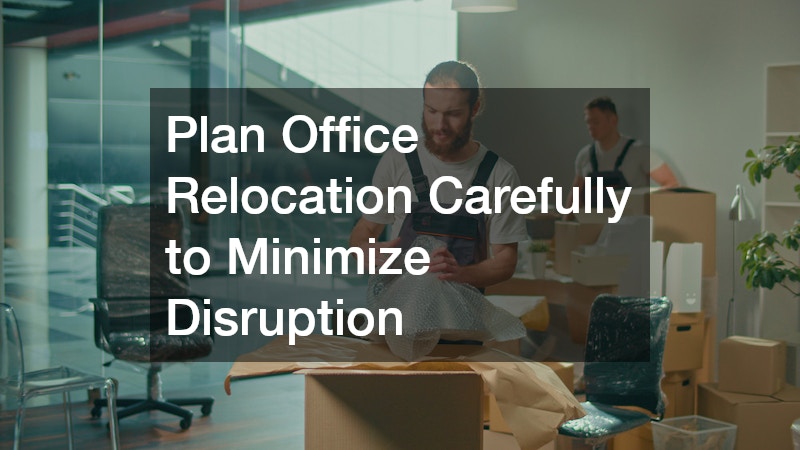
Expanding businesses often reach a point where their existing workspace can no longer accommodate growing teams or operational requirements. At this stage, relocating to a larger facility may become necessary. However, office relocation can be a complex process that requires careful planning and coordination.
A poorly managed relocation can disrupt operations, reduce productivity, and create unnecessary stress for employees. To avoid these issues, businesses often rely on professional office movers who specialize in commercial relocations.
These specialists understand how to handle office equipment, furniture, and technology infrastructure safely and efficiently. Unlike residential moving services, commercial relocation experts are trained to manage sensitive equipment such as servers, networking devices, and specialized office machinery.
Planning is the most critical factor in ensuring a successful office move. Businesses should begin preparing months in advance by evaluating their space requirements, developing a relocation timeline, and communicating plans with employees.
Proper labeling and inventory tracking can also simplify the relocation process. When equipment and furniture are organized clearly, the transition into the new office becomes much smoother.
Technology infrastructure deserves particular attention during relocation. Data systems, network connectivity, and communication tools must be reinstalled quickly to minimize operational downtime. IT teams should coordinate closely with moving specialists to ensure a seamless transition.
Communication with employees is equally important. Informing staff about relocation timelines, workspace changes, and new office layouts helps reduce confusion and ensures everyone adapts quickly to the new environment.
Relocation also presents an opportunity for businesses to optimize workspace design. Companies can evaluate how departments interact and design office layouts that encourage collaboration and efficiency.
When handled carefully, office relocation can become a positive milestone that supports future growth rather than a disruptive challenge.
Tips for Managing an Efficient Office Move
-
Create a detailed relocation timeline
-
Assign a project manager to coordinate the move
-
Label equipment and furniture clearly
-
Back up all important digital data
-
Communicate relocation updates with employees regularly
Evaluate Real Estate Opportunities That Support Long-Term Growth
Selecting the right location is one of the most important decisions a growing business can make. Real estate choices affect operational efficiency, employee accessibility, and long-term financial stability. Companies planning expansion must carefully evaluate whether their current facilities can support future growth.
In many cases, expanding organizations begin exploring options involving commercial property for sale to secure long-term operational space. Purchasing property can offer greater stability and control compared to leasing, although both options have advantages depending on the business model.
Location plays a significant role in determining business success. Businesses should consider factors such as transportation accessibility, proximity to customers, and availability of nearby services. A well-positioned location can improve customer access and make commuting easier for employees.
Another important factor is scalability. Companies should evaluate whether a property allows room for future expansion. Facilities with limited growth potential may require another relocation within a few years, leading to additional costs and disruptions.
Financial considerations also influence property decisions. Businesses must analyze property costs, maintenance expenses, tax obligations, and financing options before making long-term commitments. A careful financial evaluation helps organizations avoid overextending their budgets.
Local zoning regulations should also be reviewed carefully. Different areas may have restrictions on commercial activities, construction modifications, or parking capacity. Ensuring compliance with local regulations helps businesses avoid legal complications later.
Infrastructure surrounding the property is equally important. Reliable utilities, internet connectivity, transportation networks, and nearby amenities contribute to operational efficiency.
Purchasing property can also provide long-term investment value. As businesses grow, owning real estate may become an asset that appreciates over time, providing financial security for the organization.
By carefully evaluating property opportunities during expansion planning, businesses can choose locations that support both immediate operational needs and long-term growth goals.
Smart Considerations When Choosing Business Property
-
Evaluate transportation accessibility for employees and customers
-
Assess property scalability for future growth
-
Analyze long-term financial costs and benefits
-
Review zoning regulations and compliance requirements
-
Compare leasing and purchasing options carefully
Conclusion
Business expansion is an exciting milestone, but it requires careful planning to ensure sustainable success. While growth often focuses on revenue and market reach, infrastructure decisions play an equally important role in determining whether expansion efforts succeed or struggle.
From improving inventory management systems to designing productive work environments, every operational decision influences how efficiently a company can scale. Businesses must evaluate storage capacity, branding strategies, transportation logistics, workplace design, security systems, cleaning standards, and real estate opportunities.
Organizations that proactively address these factors are better prepared to manage growth without disrupting daily operations. Strategic planning allows companies to anticipate challenges, allocate resources effectively, and create environments that support both employees and customers.
Expansion should not simply involve increasing size or revenue—it should involve strengthening the operational foundation that supports long-term success. Businesses that take a thoughtful approach to infrastructure planning can improve productivity, enhance customer experiences, and maintain consistent performance even as operations grow.
By viewing infrastructure as a strategic investment rather than an operational expense, companies position themselves for sustainable growth. Careful planning today ensures that future expansion becomes an opportunity for innovation and improvement rather than a source of operational challenges.